

When people think of West Manggarai, they probably imagine Komodo dragons, islands, and postcard-perfect tourism. But behind all that, the region is facing a growing food crisis.
A lot of food still comes from outside the area. Farmlands are shrinking, climate shifts are making harvests unpredictable, and young people often leave the region in search of work. So who’s left to take care of the land, the food, and the future?
The answer? Local youth themselves.
Instead of leaving things as they are, they’re stepping up. They’re growing food in tight urban spaces, making their own organic fertilizer and mapping out local food systems and showing up in policy spaces with real ideas. This isn’t just a youth project. It’s a movement. Grounded in community, culture, and care for the land.
According to a United Nations 2023 report, nearly 70 percent of Indonesians are unable to afford nutritious food, and West Manggarai is no exception. In the face of these growing concerns, local youth are emerging as key agents of change.
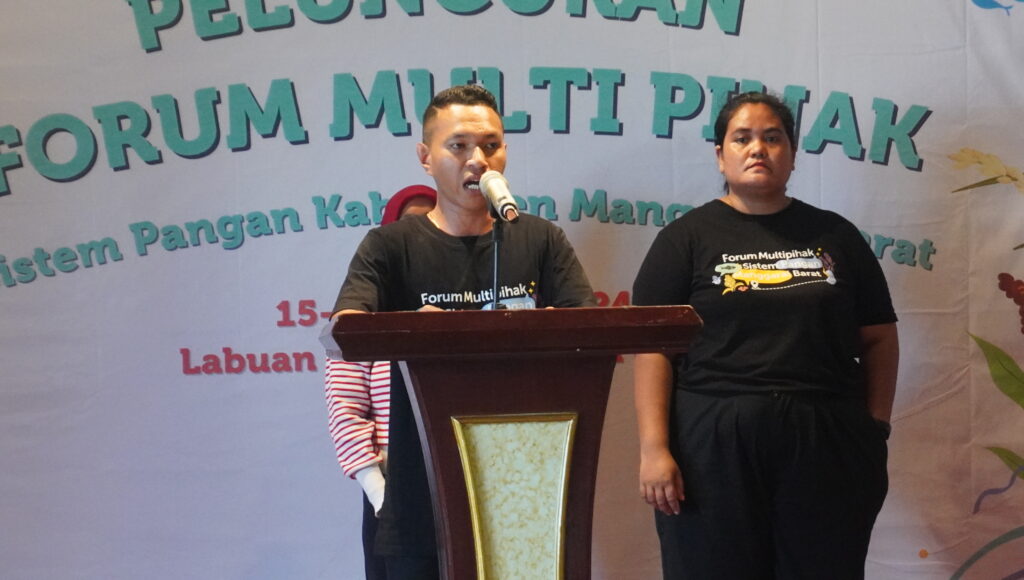
Rather than standing on the sidelines, young people in West Manggarai are taking an active role in transforming the local food system. Their efforts are grounded in collaboration, local knowledge, and a deep commitment to the future of their communities. One major step forward in this transformation was the establishment of the West Manggarai Multi-Stakeholder Food System Forum in April 2024. The forum was facilitated by Pangan Bernas Consortium, a coalition of organizations that includes YAKINES, KRKP, and KEHATI.
This forum serves not only as a space for discussion, but also as a platform for real action and collaboration. It brings together diverse voices and provides a place where young people can contribute ideas, offer policy recommendations, and take part in building an inclusive and sustainable food system.
Held on 16 October 2024 to mark World Food Day, the event featured amazing local products from small businesses in the area.
“We saw so many inspiring local products on display, created by small business owners from our community. But today and tomorrow’s activities are not the finish line. They are the beginning of something bigger,” said Petrus A Rasyid, Head of the Regional Development Planning Agency of West Manggarai. “From here, we move forward together, generating ideas, building recommendations and making sure that young people are at the heart of this transformation. Now is the time for youth to show up with skills, confidence and full participation. The youth are cool, and the government understands that we cannot do this alone. These open spaces of opportunity are meant to be shared and built by all of us.”
The event was part of a wider commitment to strengthen youth involvement in food systems and build inclusive, community-led solutions for food security in the region.
Theofelus Erlan Saputra, a young leader from Golo Desat and member of the Lino Tana Dite community, is one of many young champions helping to raise youth voices through this forum.
“We hope this forum can become a space for collaboration in protecting our local food sovereignty, so West Manggarai is known not only for tourism but also for its local food culture,” said Erlan.
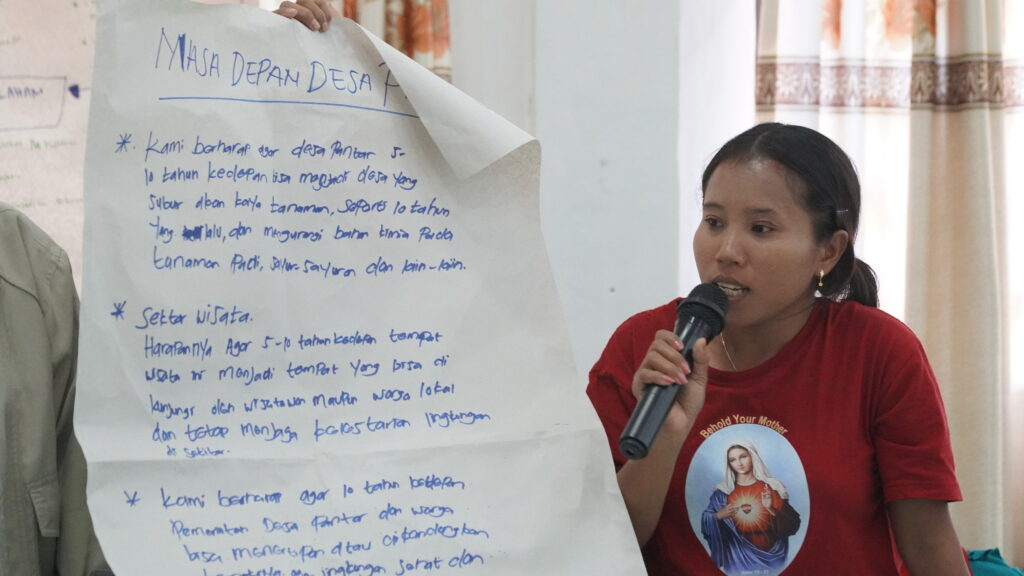
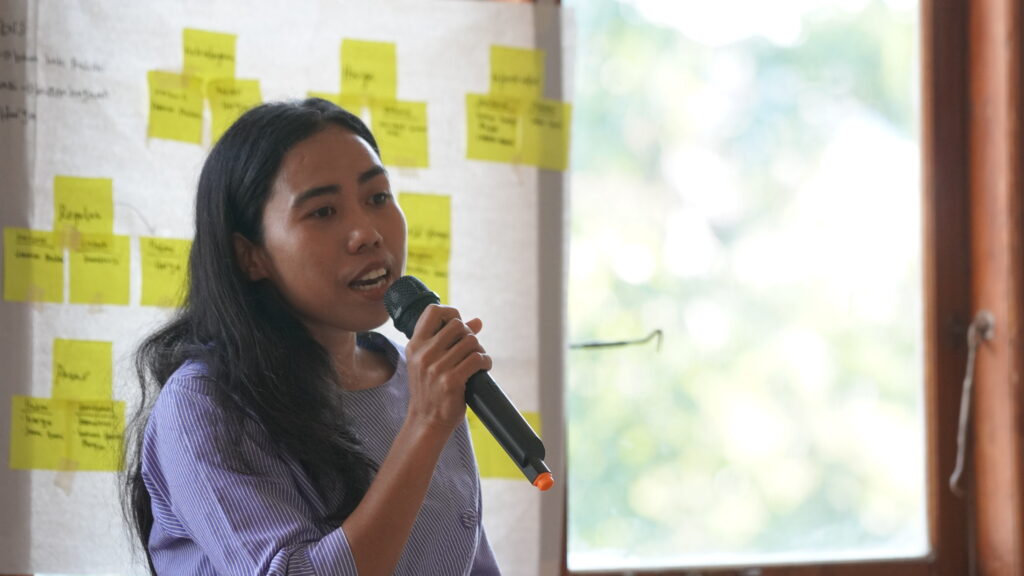
Youth involvement also takes shape at the grassroots level. Through participatory food system assessments conducted in ten areas including Compang Longgo, Liang Ndara, Wae Lolos, and Labuan Bajo, young people used the Participatory Rural Appraisal (PRA) approach to map and understand their food systems. They identified food sources, marketing flows, seasonal calendars, and the relationships between local institutions.
Youth took on roles as facilitators, discussion leaders, and analysts. The results of their assessments were visualized in maps and diagrams and presented directly to stakeholders to ensure clarity and accessibility.
“This is not just about collecting data,” said Filemon Abinoro from Wae Kelambu. “It is about understanding our villages and working together to find local solutions.”
For communities like Wae Kelambu, this means mapping and reclaiming knowledge about local food sources such as gadung, sweet potato, cassava, legumes, sorghum, millet, and traditional rice varieties, that have long sustained families across generations. The goal is not only food security, but also food sovereignty, rooted in local wisdom and led by the people themselves.
From these processes, a youth community called Lino Tana Dite was formed on August 9, 2024. Its name means “Our Earth, Our Home.” It brings together youth representatives from ten areas and serves as a space for shared learning, exchange of ideas, and collaborative ventures.
Lino Tana Dite is not a rigid institution. It is a flexible and open community, where young people are encouraged to take initiative and contribute to transforming food systems in a way that is locally grounded and sustainable.
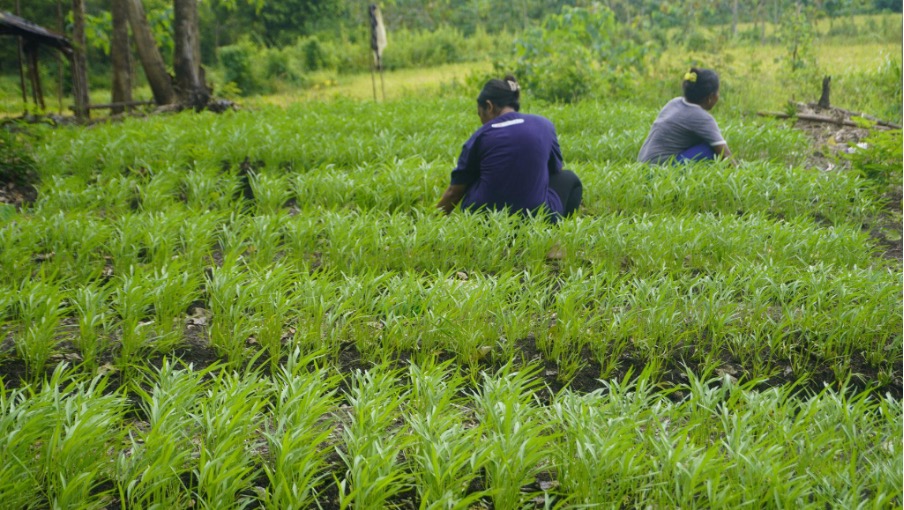
In Compang Longgo, Rofina Lia Foa, a young woman farmer and active member of both Lino Tana Dite and the multi-stakeholder forum, has led efforts to promote sustainable food production. Along with her peers, she revived the traditional practice of making bokashi organic fertilizer using local materials such as banana stems, coconut husks, and bamboo leaves.
“Young people need to be involved so that we can respond to the climate crisis and promote innovation in local food processing,” said Rofi.
Her leadership also draws attention to the importance of gender equity in food systems. In many rural communities, women still face barriers in accessing resources, participating in decision-making, and having their voices heard. Rofi’s work shows how young women can lead and shape more inclusive solutions.
In Batu Cermin, members of the Komunitas Muda Berkarya youth group are exploring opportunities through urban farming. Their decision to adopt hydroponics stems from a desire to break away from traditional farming methods. By doing so, they’re building a unique brand and reaching specific market segments with a fresh, modern approach to agriculture. Using hydroponic systems, they grow vegetables in home gardens. This initiative not only helps meet household needs but also creates opportunities for peer learning and knowledge sharing.
“This is more than just planting,” said Nita, the group’s leader. “It is a way for youth to take ownership of local food production and spread awareness about food sovereignty.”
What is happening in West Manggarai shows that transforming food systems is not just about top-down policies or technical solutions. It begins in the field, in the classroom, in community meetings, and in everyday choices. These young people are not waiting for change to come from outside. They are creating it themselves through practical action, critical thinking, and collective organizing.
The Urban Futures program that is implemented by Pangan Bernas Consortium with the support of Humanis Foundation offers clear evidence that when young people are trusted, trained, and given the opportunity to lead, they become powerful agents of transformation. Whether through mapping and analysis, organic farming, urban innovation, or advocacy in policy spaces, the youth of West Manggarai are building a movement rooted in justice, sustainability, and resilience.
Of course, challenges still exist. Many young people lack access to financing, modern agricultural tools, and long-term mentorship. This is why continued support from local government, educational institutions, and civil society is essential to keep the momentum going.
Transforming the food system is not just about what we grow or eat. It is about who participates, who decides, and who leads the way. In West Manggarai, one thing is becoming clear. The youth are not only ready to lead. They already are.
What’s happening in West Manggarai isn’t perfect, and it’s not always easy. But it’s real. And it’s growing.
Young people here aren’t waiting for someone else to fix things. They’re organizing, learning, farming, advocating. They’re turning shared frustration into shared action. From mapping their food systems to creating community spaces like Lino Tana Dite, they’re showing that the future of food isn’t just about technology or policy. It’s about people who care enough to stay and rebuild.
Because food isn’t just about what’s on the plate. It’s about who grows it, who protects it, and who gets to decide what kind of future it feeds.
“Forward we grow, forward we transform.”
With youth at the heart of change, reimagining the food system not just for today, but for the generations to come.
Writer : Sagabagua Adriara Karakoram
Sources :
Konsorsium Pangan Bernas’ Instagram
 Indonesian
 English